15 Questions You Must Ask Before Buying a Home in The Villages, FL
Why This Matters
- Buying a home in The Villages is different from any other real estate transaction in Florida. The community has its own rules, fees, and lifestyle considerations that can surprise first-time buyers.
- The Villages FL real estate market moves fast. Asking the right questions before you make an offer can save you thousands of dollars and prevent expensive surprises after closing.
- These questions to ask when buying in The Villages cover finances, physical condition of the home, community rules, insurance, and lifestyle fit.
Buying a home in The Villages is an exciting step. This is not just a real estate transaction. It's a lifestyle decision that will shape your daily life, your social calendar, and your financial future. After helping more than 450 buyers and sellers navigate this market over the past 20 years, I have learned that the buyers who ask the most questions end up the happiest with their purchase.
The Villages FL real estate market is unique. The community spans three counties, has dozens of distinct villages, and operates under a amenity fee structure that is different from traditional HOAs. The homes themselves face Florida-specific challenges like heat, humidity, hurricanes, and rising insurance costs. And the lifestyle expectations vary dramatically from one village to the next.
That is why I put together this guide. Whether you are relocating from out of state, downsizing from a larger home, or moving within Central Florida, these 15 questions will help you make an informed, confident decision. Consider this your buyer's checklist for buying a home in The Villages.
Let's dive in.
1. What Is the HOA Fee and What Does It Cover?
Every home in The Villages is part of a community that charges monthly amenity fees, often referred to as HOA fees. These fees are not optional, and they can vary significantly from one village to another. Understanding exactly what you are paying for is one of the most important questions to ask when buying in The Villages.
In most villages, the monthly amenity fee ranges from $100 to $300 or more, depending on the home type and the specific amenities included. These fees typically cover access to the neighborhood pools, recreation centers, fitness facilities, landscaping of common areas, trash pickup, and maintenance of the community infrastructure. In many villages, the fee also includes access to the executive golf courses, which is a significant value for golfers.
However, not everything is included. Some villages charge separately for golf cart path access, which is a critical expense if you plan to rely on your golf cart for daily transportation. Other potential extras include club memberships, special recreation classes, and access to certain premium amenities. Before you make an offer, ask for a complete breakdown of what is included in the fee and what costs extra.
Also ask about fee increases. Have the fees gone up in recent years? Are there planned increases on the horizon? A small monthly increase may not seem like much, but it adds up over the years you own the home.
2. What Is the Age and Condition of the Roof?
Florida roofs take a beating. Between the intense summer sun, afternoon thunderstorms, and the occasional hurricane, your roof is one of the most critical components of the home. It is also one of the most expensive things to replace.
Insurance companies in Florida have become increasingly strict about roof age. Many carriers will refuse to write a new policy on a roof that is more than 15 to 20 years old. Some require a roof inspection and may demand a replacement before issuing coverage. This has become a major issue in the The Villages FL real estate market, particularly for older homes.
Ask the seller for the age of the roof, the material (asphalt shingle, tile, metal, or flat membrane), and any recent repairs or maintenance. If the roof is nearing the end of its useful life, factor the cost of replacement into your offer. A new roof in Florida typically costs between $7,000 and $15,000 depending on the size and material.
If the home has a newer roof (under five years old), that is a significant selling point. It means lower insurance costs and peace of mind for years to come.
3. When Was the A/C Last Replaced or Serviced?
In Florida, air conditioning is not a luxury. It is a necessity. The difference between a well-maintained A/C system and an aging one can be hundreds of dollars per month in electricity bills and thousands in unexpected repair costs.
Ask the seller for the age of the A/C system and its service history. A newer system (under five years old) is typically efficient and reliable. A system that is 10 to 15 years old may still work, but it is operating on borrowed time. Older systems often use Freon (R-22), which is being phased out and is increasingly expensive to recharge. Replacing an entire A/C system can cost $8,000 to $15,000 depending on the size and efficiency rating.
Also ask about the ductwork. In Florida homes, ductwork that is leaky, undersized, or poorly insulated can dramatically reduce the efficiency of even the best A/C system. A home energy audit or HVAC inspection can identify these issues before you buy.
4. Are There Any Special Assessments Pending?
One of the most overlooked questions to ask when buying in The Villages is about special assessments. HOAs and community development districts can levy special assessments to fund major repairs, infrastructure upgrades, or reserve shortfalls. These assessments can be thousands of dollars and are typically due in a lump sum or over a short period.
Common reasons for special assessments include road resurfacing, roof replacement on community buildings, pool renovations, and sewer system upgrades. If the HOA has been underfunding its reserves, the bill eventually comes due.
Ask the seller and the HOA whether any special assessments are currently pending or planned. Also ask about the financial health of the HOA's reserve fund. A well-funded reserve means less risk of surprise assessments down the road.
5. What Flood Zone Is the Property In?
Florida is flat and low-lying, and flood risk varies significantly even within short distances. Some properties in The Villages are in designated flood zones that require flood insurance as a condition of your mortgage. Others are in lower-risk zones where flood insurance is optional but still recommended.
Check the FEMA flood map for the specific property address. Your real estate agent and your insurance agent can help with this. If the property is in a high-risk flood zone (A or V zone), flood insurance can cost anywhere from $500 to $3,000 or more per year, depending on the elevation and coverage amount.
Even if the property is outside a mapped flood zone, consider flood insurance. Florida's weather is unpredictable, and heavy rainfall events can cause flooding anywhere. The average cost of flood insurance outside high-risk zones is relatively modest compared to the financial devastation of an uninsured flood loss.
6. What Are the Real Estate Taxes and Do I Qualify for Homestead Exemption?
One of the great advantages of buying a home in The Villages is Florida's favorable tax environment. The state has no income tax, and the homestead exemption can significantly reduce your property tax bill.
Florida's homestead exemption saves homeowners up to $50,000 off the assessed value of their primary residence. To qualify, you must make the property your permanent primary residence as of January 1 of the tax year. You will need to file for the exemption with the county property appraiser's office after you close.
Ask the seller for their current tax bill and the assessed value of the property. Keep in mind that the seller's taxes may be lower than yours will be, because of the Save Our Homes cap, which limits annual assessment increases to 3% for homesteaded properties. When you buy, the property will be reassessed at market value, which could result in a higher tax bill. Your real estate agent can help you estimate the new tax amount.
7. Is the Community Age-Restricted?
The Villages is primarily an active adult retirement community for residents aged 55 and older. The vast majority of villages require that at least one resident be 55 or older, and no one under 19 can be a permanent resident.
This may seem straightforward, but there are nuances. Some surrounding neighborhoods and villages are all-ages communities that allow younger residents and families. If you are planning to have grandchildren visit for extended stays, or if you are looking for a community that welcomes a wider age range, you need to know the rules before you buy.
Ask the seller and the HOA specifically about the age restrictions for that village. Also ask about guest policies and how long younger visitors can stay. Understanding these rules upfront will prevent disappointment later.
8. What Clubs and Activities Are Available in This Village?
One of the biggest draws of living in The Villages FL is the incredible array of clubs and activities. There are more than 100 clubs covering everything from golf and pickleball to woodworking, photography, dancing, and travel. But not all villages are created equal when it comes to activity density.
Some villages have their own recreation centers with pools, fitness rooms, pickleball courts, and social halls. Others are quieter and rely on the larger community recreation complexes. If you are an active person who wants to be in the middle of the action, ask about the recreation facilities in that specific village.
Ask about pickleball (the fastest-growing sport in The Villages), golf course access, tennis courts, social clubs, dining clubs, and interest groups that meet in the area. The social calendar in The Villages is one of its greatest strengths, and you want to be in a village that matches your energy level.
9. How Close Is the Nearest Town Square?
The three town squares (Spanish Springs, Lake Sumter Landing, and Brownwood Paddock Square) are the social and entertainment hubs of The Villages. Each offers nightly live music, restaurants, shopping, and a vibrant social scene. Your proximity to these squares will have a major impact on your daily lifestyle.
Some villages are within easy golf cart distance of a town square, meaning you can hop on your cart and be there in five minutes. Others are farther away and require a car trip. If you plan to spend a lot of time at the squares (and most residents do), proximity matters.
Ask how far the property is from the nearest town square and whether the route is golf-cart friendly. Also consider the routes: are there busy roads to cross? Are the golf cart paths well-maintained and well-lit? These details affect how often you will actually use your cart to visit the square.
10. What Are the Nearby Medical Facilities?
Healthcare is a top priority for anyone considering a move to The Villages, and for good reason. The community is served by excellent medical facilities, but the distance from your home to the nearest hospital, urgent care, and primary care doctor varies by village.
The main hospital is HCA Florida The Villages Hospital, located in the heart of the community. Cleveland Clinic has multiple outpatient centers and specialty clinics in the area, and AdventHealth Waterman Hospital is located in nearby Tavares. Together, these facilities provide comprehensive medical care for residents.
Ask the seller about their experience with local healthcare. Which doctors and specialists do they use? How close is the nearest urgent care center? Where is the closest pharmacy? If you have specific health needs, research the specialists available in the area before you buy.
11. Are There Any Deed Restrictions Beyond the HOA?
In addition to the standard HOA rules, some villages in The Villages have additional deed restrictions that govern what you can and cannot do with your property. These restrictions can cover everything from exterior paint colors and landscaping to parking and holiday decorations.
Some deed restrictions are relatively relaxed. Others are quite strict. If you plan to park a boat or RV, install a shed, paint your front door a bold color, or plant certain types of trees, you need to know the rules.
Ask for a copy of the full deed restrictions before you make an offer. Your real estate agent can help you obtain these documents from the HOA or the seller. Read them carefully and make sure you can live within the rules.
12. What Is the Insurance Situation?
Homeowner's insurance in Florida has become one of the biggest challenges for buyers. Rising premiums, carrier pullbacks, and stricter underwriting have made it essential to understand the insurance situation before you commit to a purchase.
Ask the seller for their current insurance policy cost and the name of the carrier. Also ask whether the property has any insurance claims history. A home with multiple claims (especially for water damage or roof leaks) may be difficult or expensive to insure.
Windstorm coverage is a separate component of a Florida homeowner's policy and can be expensive, especially for older homes or homes near the coast. Ask about the windstorm deductible (typically 1% to 5% of the dwelling coverage) and whether the home has impact windows or hurricane shutters, which can lower premiums.
A newer roof and updated A/C system can significantly reduce your insurance costs. If the home has been well-maintained with modern systems, you are in a much stronger position to get competitive insurance quotes.
13. How Is the Internet and Cell Service?
For many of today's buyers, reliable high-speed internet is non-negotiable. Whether you work remotely, stream entertainment, video chat with family, or manage your investments online, you need a solid connection.
The Villages is generally well-served by internet providers. Spectrum, AT&T, and Xfinity all serve parts of the community. However, availability can vary by street and by village. Not every provider is available at every address.
Ask the seller which internet provider they use and what speeds they get. Check cell phone reception at the property. Walk through the house and make calls. Some homes, particularly those with metal roofs or in low-lying areas, can have spotty cell coverage. Wi-Fi calling can help, but only if your internet connection is reliable.
14. What Is the Resale History and Market Trend?
Understanding the resale value of the home is an important part of buying a home in The Villages. Real estate is an investment, and you want to know that your home will hold or increase its value over time.
Ask your real estate agent for the resale history of the home and the market trends in that specific village. Has the home appreciated or declined in value since the last sale? How long do homes typically sit on the market in this village? What is the average days on market and the sale-to-list price ratio?
Some villages in The Villages FL real estate market have stronger demand than others. Newer villages with modern floor plans and popular amenities tend to sell faster and appreciate more consistently. Older villages with smaller floor plans may take longer to sell and may not appreciate as quickly. Your agent should have the data to help you make an informed decision.
15. What Should I Know About Hurricane Preparedness?
Living in Florida means living with the possibility of hurricanes. While The Villages is located in Central Florida, well inland from the coast, it is still vulnerable to storm impacts, especially high winds and heavy rain.
Ask about the home's hurricane features. Does it have impact-resistant windows or hurricane shutters? Are there storm-rated garage doors? What about the front door and sliding glass doors? These features can make a significant difference in the safety and security of the home during a storm.
Also ask about generator options. Many homes in The Villages have either a portable generator connection or a whole-house standby generator. After a major storm, power outages can last for days. A generator can mean the difference between riding out the outage comfortably and evacuating to a hotel.
Finally, ask about the community's emergency plan. The Villages has a well-organized emergency management system that includes shelter locations, communication protocols, and post-storm recovery resources. Knowing the plan before a storm hits will give you peace of mind.
The Bottom Line
Buying a home in The Villages is one of the most exciting decisions you will ever make. But it is also one of the most important financial decisions of your life. The community is unique, the market is dynamic, and the details matter.
The Villages FL real estate is not like buying a home anywhere else. The amenity fee structure, the age restrictions, the Florida-specific maintenance challenges, and the lifestyle considerations all require local expertise. That is where a knowledgeable local agent who knows The Villages inside and out makes all the difference.
I have spent more than 20 years helping buyers and sellers navigate this market. I have helped more than 450 families find their perfect home in The Villages. I hold designations including CLHMS (Certified Luxury Home Marketing Specialist), SRES (Senior Real Estate Specialist), MRP (Military Relocation Professional), ABR (Accredited Buyer's Representative), SFR (Short Sales and Foreclosure Resource), and CIPS (Certified International Property Specialist). I am bilingual in English and Spanish, and I work with buyers from across the country and around the world.
When you are ready to start the conversation about buying a home in The Villages, I am here to help. I will walk you through every one of these 15 questions, and many more, to make sure you find the right home in the right village at the right price.
Related Posts
Best Neighborhoods in The Villages for First-Time Buyers
Choosing the right village from patio villas to luxury estates.
Financial GuideThe True Cost of Living in The Villages, FL
Housing, HOA fees, taxes, insurance, utilities, and more.
Community GuideLiving in The Villages, FL: Everything You Need to Know
The complete guide to America's largest retirement community.
About the Author
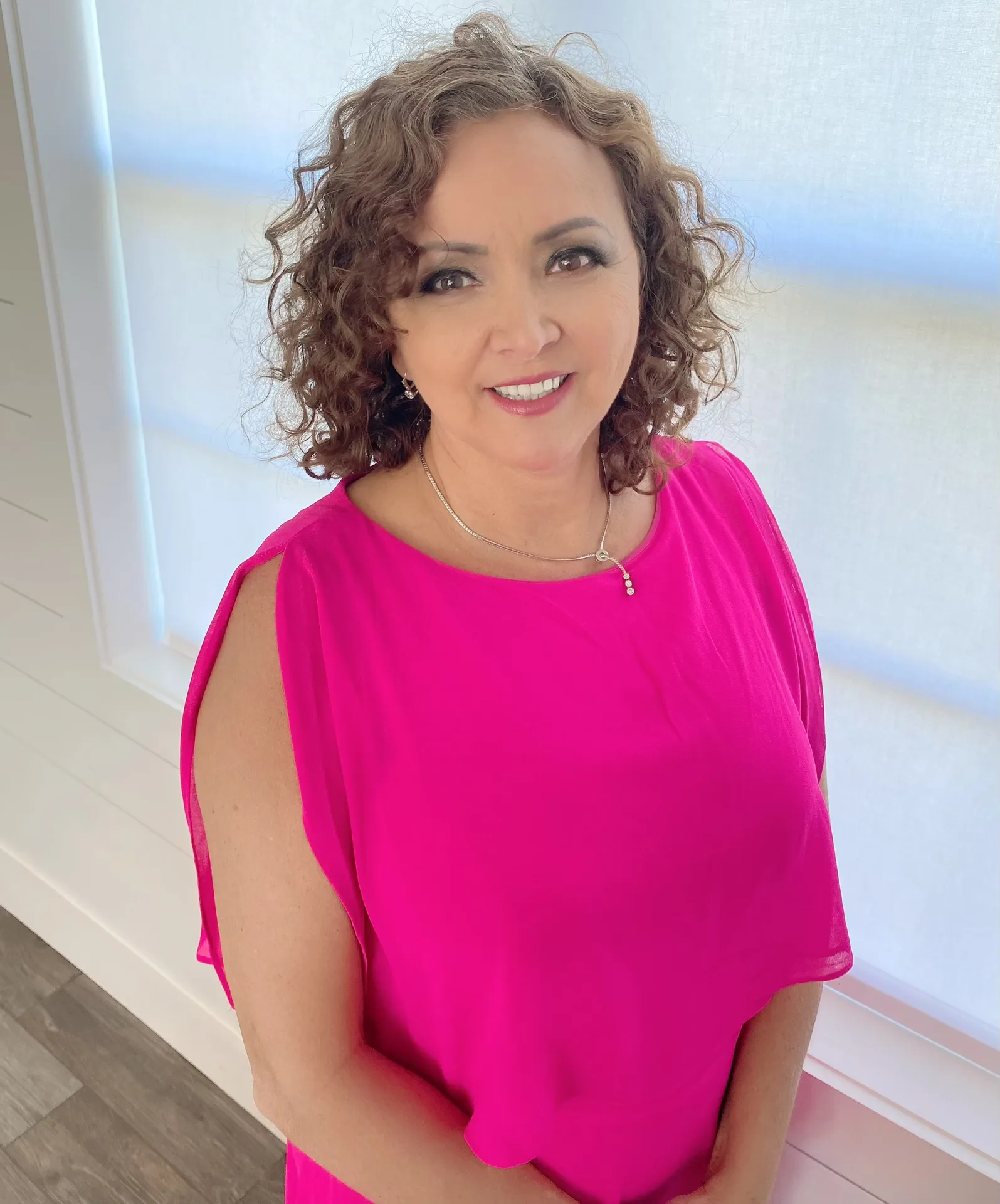
Lili Whittington, MBA is a Broker Associate with Soundings LLC in The Villages, FL. With over 20 years of experience and 450+ homes sold, she specializes in luxury homes, retirement relocation, and senior living throughout Marion, Sumter, and Lake counties. She holds designations including CLHMS, SRES, MRP, ABR, SFR, and CIPS, and is bilingual in English and Spanish.
Your Bilingual Villages Realtor
Lili Whittington, MBA · Broker Associate · Soundings LLC
Licensed in Florida · BK3090328
Call or text: 954-235-4766
Email: Liliana.whittington@soundingsrealestate.com
Schedule a Consultation