How Much Does It Cost to Sell My Home in The Villages, FL?
Key Takeaways
- Budget 6 to 10 percent of the sale price all-in for selling costs including commission, with non-commission costs around 1 to 3 percent
- The commission is the big line, usually about 5 to 6 percent of the price and negotiable in your listing agreement
- Florida's documentary stamp tax is $0.70 per $100 of the sale price on the deed, about $2,800 on a $400,000 home, customarily paid by the seller
- No traditional HOA means no estoppel fee. The title company prorates the amenities fee, about $204 a month for new buyers in 2026, and your property taxes through closing day
- Many sellers owe no federal capital gains tax thanks to the $250,000 / $500,000 exclusion, and Florida has no state income tax on the gain
For a typical sale in The Villages, plan on roughly 6 to 10 percent of the sale price going to closing costs when you include the listing commission, and about 1 to 3 percent of the price in non-commission costs like taxes, title insurance, and fees. The commission, usually about 5 to 6 percent and negotiable, is by far the largest line item, and Florida's documentary stamp tax on the deed, $0.70 per $100 of the sale price, is the number sellers ask about most. I am Lili Whittington, Broker Associate with Soundings LLC (Florida license BK3090328, CLHMS, SRES, MRP, ABR, SFR, CIPS), your bilingual Villages realtor, and after more than 20 years and over 450 homes sold across The Villages and Marion, Sumter, and Lake counties, I have watched sellers react to the same list of costs again and again. The good news is that the list is shorter and simpler than most people expect, and every dollar of it appears on your closing statement, line by line, before you sign.
Where the costs go matters as much as how much they are. You are paying the professionals who market your home and negotiate for you, the state's transfer tax on the deed, the title company that proves your ownership is clean, and your share of the property taxes and amenities fee for the days you owned the home. The Villages has no traditional HOA, so there is no homeowners association demanding an estoppel fee at the closing table the way surrounding communities do. Below I walk through every category with the real numbers I use with my own sellers, and then I show you what an entire closing statement looks like on a $400,000 home.
The Biggest Line Item: Your Listing Commission
The commission you agree to in your listing agreement is the single largest selling cost, and in The Villages it typically runs about 5 to 6 percent of the sale price, split between the listing brokerage and the buyer's brokerage under the local MLS practice. On a $400,000 home, a 5.5 percent commission is about $22,000. It is the payment for the full marketing program, the professional photography and video, the open houses, the showings, the negotiation, and the paperwork that carries your sale to closing.
Notice the word negotiable. The rate is not set by law or by a board; it is spelled out in the listing agreement you sign, and it is one of the few selling costs you directly control. What I tell every seller is to compare the full value of the service, not just the percentage. A listing that is priced right, photographed properly, and negotiated hard routinely nets more than a cut-rate listing that skips the marketing, so I always recommend asking what exactly the commission buys before you focus only on the number.
Florida's Documentary Stamp Tax on Your Deed
The second cost every seller meets is Florida's documentary stamp tax on the deed, often just called doc stamps. The state levies $0.70 per $100 of the total sale price, or 0.70 percent, and it applies in every Florida county except Miami-Dade, which has its own schedule. The seller customarily pays it, and it is due at closing on the full sales price with no exemption for homesteaded properties. On a $400,000 home, the doc stamps come to $2,800; on a $600,000 home, $4,200.
Buyers have their own doc stamp on the mortgage note at $0.35 per $100, but that one is theirs to pay, not yours, and it appears on their side of the settlement statement. Because the deed doc stamps are a percentage of price, they rise with your sale price, which is one more reason an accurate price matters: every $10,000 of over-optimistic pricing adds $70 to your doc stamps and slows your sale. Stellar MLS, the service The Villages uses, feeds listing data to the major portals, and my team's pricing analysis starts with what homes like yours actually closed for, not what the neighbor hopes to get.
Title Insurance, Closing, and Recording Fees
Next come the title and settlement costs, and the largest of these is the owner's title insurance policy, which protects the buyer, but in Florida it is customarily paid by the seller. Florida sets the rates for the owner's policy, and on a typical $400,000 sale the premium runs about $2,075. It covers the buyer for title defects, liens, and errors in the public records for as long as they own the home, which is why lenders and buyers all expect it.
Around the policy sit the smaller line items: the title search that checks the records on your property, the settlement or escrow fee the title company charges to run the closing, and the county recording fees for filing the deed and the satisfaction of your mortgage. Together these usually add up to a few hundred dollars, and combined with the owner's policy they form the "title and escrow" line you will see on your settlement statement. Your lender's release of the old mortgage is also handled here, which matters when you remember that the mortgage you took out years ago has to be satisfied and released before the buyer's title can be clean.
Property Taxes and the Amenities Fee: The Prorations
Two prorated items appear on every Villages closing statement, and they are the ones that surprise sellers who have never sold before. Property taxes in Marion, Sumter, and Lake counties are billed in arrears, on a calendar year, so at closing the seller pays the buyer for your share of the current year's taxes through the day you hand over the keys. If you close mid-year and your annual bill is $3,000, your share is roughly half that, credited to the buyer on the statement and settled from your proceeds. The exact amount depends on your county's millage and your closing date, and the title company calculates it to the day.
The second proration is uniquely Villages: the amenities fee. The Villages has no traditional HOA, and the monthly amenities fee, about $204 a month for new buyers in 2026, is what funds the recreation centers, pools, fitness rooms, walking access to the executive golf courses, and the town squares. The fee runs with the property, not the person, so at closing it is prorated like property taxes: the buyer assumes the monthly fee going forward, and the seller pays your share through closing, usually a modest amount of a hundred dollars or two depending on the day you close. It is one of the things that makes selling here cleaner than selling in an HOA community, because there is no association board, no estoppel package, and no transfer approval to wait on.
Buyers in surrounding communities outside The Villages often pay traditional HOA dues and deal with their estoppel fees at closing. Inside The Villages, the amenities fee proration takes that place, and it is handled automatically by the closing agent. If you want to understand the fee itself, I explain it fully in my guide to what the amenities fee covers and why there is no HOA.
What You Do Not Pay in The Villages
The pleasant surprise for most sellers is everything that is missing from the Villages closing statement. There is no HOA estoppel fee because there is no traditional HOA. There is no transfer fee to a community association. There is no local transfer tax beyond the state doc stamps, and there is no Florida state income tax on your gain, because Florida has no personal income tax at all. Some properties carry separate Community Development District (CDD) assessments for the infrastructure the developer built, roads and utilities and the like; those are distinct from the amenities fee, they run with the property, and your title company will show their status clearly before closing, so nothing sneaks up on you.
There is also the negotiable side of the ledger. Sellers sometimes pay buyer concessions, a credit toward the buyer's closing costs or an interest-rate buydown, especially when the market softens or a home needs a nudge. That is not a fixed fee; it is a negotiating tool your agent uses deliberately, and it should never be a surprise, because it appears on your settlement statement and consumes part of the budget you planned for.
The Capital Gains Question: Most Sellers Owe Nothing
After the closing costs, the next question is almost always taxes on the profit. Under the IRS rule in Section 121, you can exclude up to $250,000 of gain as a single filer, or $500,000 as a married couple filing jointly, when you sell your primary residence, as long as you owned it and used it as your main home for at least two of the five years before the sale. The Villages is a primary home for most residents, so the vast majority of sellers I work with owe no federal capital gains tax at all, and the sale is simply reported on their tax return. Florida adds nothing on top, because Florida has no state income tax and no state capital gains tax.
Two wrinkles are worth knowing if you are a snowbird or a recent Villages buyer. The exclusion applies to your main home, so if you keep the house as a second home and spend most of the year up north, the two-of-five-years test needs a careful look. And if you rented the home out before selling, the exclusion still can apply, but the rules get detailed. I am not a tax professional, and I always tell sellers to run their situation past a CPA before they count on the exclusion. What I can promise is the real estate side: I have guided sellers through the capital gains conversation hundreds of times, and the surprise is usually how many of them owe nothing.
Homestead Exemption and Save Our Homes End at the Closing Table
One more Florida-specific point for sellers who owned their Villages home as a homestead. Your homestead exemption and your Save Our Homes cap, which limited your assessed value growth to 3 percent a year, apply only while the home is your primary residence, and they end when you sell. The new owner will be assessed at market value, which is their concern, not yours. If you buy another home in Florida after you sell, you may be able to port part of your accumulated Save Our Homes benefit to the new property by applying with the county property appraiser, generally by March 1 of the year after you close and within three tax years of the sale. If you move out of Florida entirely, the benefit is simply forfeited, which is another reason the tax comparison between states belongs on your moving checklist.
A Sample Walkthrough on a $400,000 Home
Let me put it all together with the numbers I actually see in The Villages, using a home that sells for $400,000. The listing commission at 5.5 percent is about $22,000. The documentary stamp tax on the deed is $2,800. The owner's title insurance policy, on Florida's rate schedule, is about $2,075. Title search, settlement, and recording fees add a few hundred dollars. Your prorated share of the year's property taxes depends on your county and closing date, often a few thousand dollars, and your prorated amenities fee through closing is usually a hundred or two. Add it up and a typical $400,000 sale carries roughly $27,000 to $29,000 in seller costs, around 7 percent of the price, before any buyer concessions or repairs you choose to pay. That fits comfortably inside the 6 to 10 percent range you will hear quoted for Florida, and it is why the first number I give every seller is their realistic net proceeds, not the gross price.
Your numbers will differ, and that is the point of a proper pre-listing consultation. If you bought at a lower price years ago, your gains story may be stronger than you think. If your roof or HVAC is older, smart buyers may ask for a credit, which is a negotiation, not a fixed cost. The way to see your true number is a CMA, a comparative market analysis, that prices your home against what similar Villages homes actually closed for, followed by a projection of your net proceeds from a closing agent.
How to Get the Real Number for Your Home
No two Villages closings look exactly alike, so the most useful thing you can do is ask for the numbers before you ever sign a listing agreement. A good agent will give you a written projection of your net proceeds, not just a price, and she will walk you through each line with current rates. That is exactly how I work with sellers, whether they are listing from here in The Villages, selling from out of state through remote closings and Remote Online Notarization, or deciding whether to sell now or hold and move back north. And if you want the full process before you commit, my step-by-step guide takes you from listing to closing, stage by stage.
Selling in The Villages is, in my experience, one of the cleaner real estate transactions in Florida, precisely because there is no HOA machinery in the way. The costs are predictable: a negotiable commission, a fixed doc stamp rate, a rate-card title policy, and two prorations the closing agent handles for you. Know those five numbers, and there are no surprises in the room. If you are thinking about selling, whether that is this year or two years from now, get your net-proceeds projection early, so the decision to sell is a decision about your numbers, not a guess.
I am Lili Whittington, Broker Associate with Soundings LLC (Florida license BK3090328), your bilingual Villages realtor, and I have helped more than 450 families buy and sell homes across The Villages and Marion, Sumter, and Lake counties over the past 20-plus years. Call or text me at 954-235-4766, or book a time on my calendar, and let us build your net-proceeds projection together. I handle every conversation in English or Spanish, whether you are selling from down the street or from across the country.
FAQ About Selling Costs in The Villages, FL
How much does it cost to sell a home in The Villages, FL?
For a typical sale, plan on roughly 6 to 10 percent of the sale price in total closing costs when you include the listing commission, and about 1 to 3 percent in non-commission costs. The commission, usually about 5 to 6 percent and negotiable, is the largest line item, followed by the documentary stamp tax on the deed, the owner's title insurance policy, title and settlement fees, recording fees, and the prorated property taxes and amenities fee.
Who pays the documentary stamp tax when selling a home in Florida?
The seller customarily pays the documentary stamp tax on the deed, $0.70 per $100 of the total sale price in every Florida county except Miami-Dade. On a $400,000 home, that is $2,800. The buyer's mortgage note is taxed separately at $0.35 per $100 and is paid by the buyer. The deed doc stamps are negotiable in the sales contract, but in practice sellers in The Villages pay them, and your closing statement will show them clearly.
Do I have to pay an HOA estoppel fee when I sell in The Villages?
No. The Villages has no traditional HOA, so there is no homeowners association to charge an estoppel or certification fee at closing. Instead, the title company prorates the amenities fee, about $204 a month for new buyers in 2026, on your settlement statement. Surrounding communities outside The Villages often do have HOAs, and those sellers can face estoppel fees and transfer approvals, which is part of why selling inside The Villages tends to be cleaner.
Will I owe capital gains tax when I sell my Villages home and move out?
Many sellers owe nothing at the federal level under the IRS Section 121 exclusion: $250,000 of gain is excluded for single filers and $500,000 for married couples filing jointly, as long as they owned and used the home as their main residence for two of the five years before the sale. Florida has no state income tax, so there is no state capital gains tax on the sale. Confirm your details with a tax professional, especially if the home was rented out or was not your primary residence for the full two-year period.
Whether you are selling next month or just starting to think about it, the cost question has a simple answer once you see your own numbers. I am Lili Whittington, Broker Associate with Soundings LLC (Florida license BK3090328), your bilingual Villages realtor, and I help sellers in English and Spanish across The Villages and Marion, Sumter, and Lake counties. Call or text me at 954-235-4766, or book a consultation on my calendar, and we will map out your net proceeds together.
Related Posts
Selling Your Home in The Villages: The Step-by-Step Process
From pre-listing prep and pricing to showings, offers, and closing.
Seller's GuideWhat Taxes Apply When You Move Out of Florida and Back North?
Doc stamps, federal capital gains, the homestead exemption, and your new state.
Seller's GuideWhat Happens to the Amenities Fee When I Move Out of The Villages?
The fee runs with the property, buyers assume it, and rent passes it through.
Seller's GuideCan I Sell My Home in The Villages and Move Back North?
Capital gains, the homestead exemption, timing, and the selling process.
About the Author
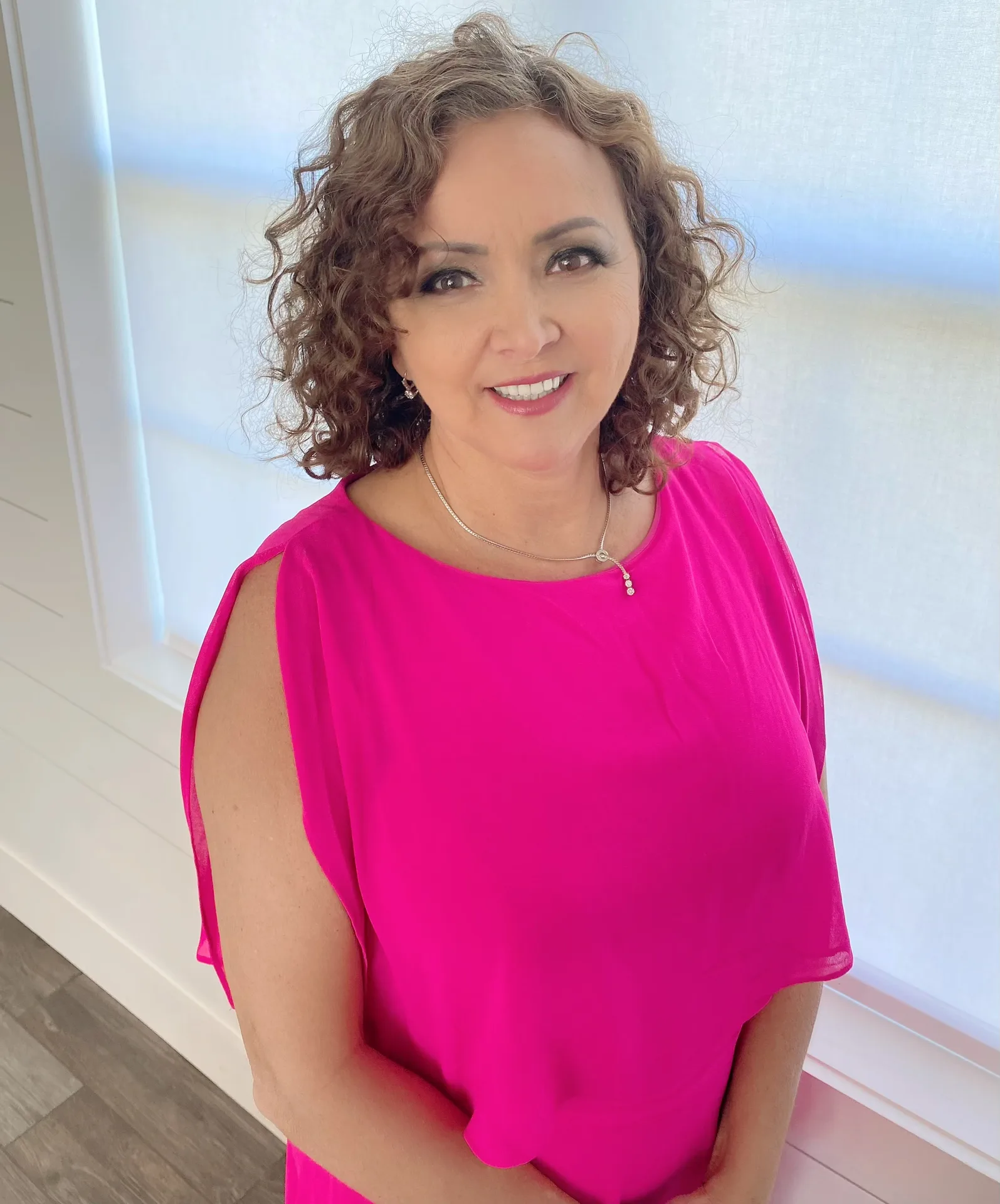
Lili Whittington, MBA is a Broker Associate with Soundings LLC in The Villages, FL, licensed as a Florida broker associate (BK3090328). With over 20 years of experience and 450+ homes sold throughout The Villages and Marion, Sumter, and Lake counties, Lili holds the CLHMS, SRES, MRP, ABR, SFR, and CIPS designations and specializes in retirement relocation, luxury homes, and seller representation for local, national, and international clients, fluent in English and Spanish. She walks every seller through the numbers before listing, so the net-proceeds projection is done and the closing statement holds no surprises.
Want the real number for your Villages home?
Get a written net-proceeds projection, a current market analysis, and a straight answer on every dollar, from someone who has guided more than 450 homes sold over 20-plus years. Ask Lili anything about the selling process, in English or Spanish.
Call or text Lili at: 954-235-4766 · Email: Liliana.whittington@soundingsrealestate.com
Book a Consultation With Lili