Estate Planning in The Villages: 5 Documents Every Family Should Know

The Five Documents, Tied to Your Home
- Revocable Living Trust: a deed titled in your trust keeps your Florida home out of probate and lets your successor trustee manage it if you become incapacitated
- Last Will and Testament: does not avoid probate on your home, becomes a public record, names who inherits the property, and names the Personal Representative who handles the transfer
- Durable Power of Attorney: your chosen agent can sign documents, manage the mortgage, refinance, or sell the home without a court guardianship
- Health Care Surrogate / HIPAA Authorization: names who makes health decisions for you and who can access your medical records
- Living Will: your declaration on life-prolonging procedures in specific medical conditions, and it is not a Do Not Resuscitate (DNR) order
Estate planning is part of every home purchase and sale in The Villages, because the moment you sign the deed is the moment you decide who gets that home and how your family handles it when you no longer can. This guide, based on the informational materials published by Pittman Law Office in Oxford, FL, ties the five basic estate planning documents directly to your Florida home: the revocable living trust, the last will and testament, the durable power of attorney, the health care surrogate with HIPAA authorization, and the living will. It then explains how the way you title your home at purchase controls who receives it, what Florida homestead rights mean for your family, and what the probate process actually looks like. It is a plain-English overview for buyers and sellers, not legal advice. Only an attorney can prepare and tailor these documents for your family.
Estate Planning Is Part of Every Home Purchase and Sale
Buyers rarely think about estate planning at the closing table, and sellers rarely think about it at the listing appointment, but in Florida the two belong together. When you buy a home in The Villages, the deed you sign decides how that property is owned, and how it is owned decides what happens to it at your death and what your family can do with it during your incapacity. When you sell, you are transferring one of the largest assets most families own, and the paperwork around it can raise a trustee's authority, a Personal Representative's standing, and a power of attorney's ability to sign.
The guide from Pittman Law Office puts it simply: estate planning includes the necessary documents that will benefit both you and your loved ones in the event of your incapacity and upon your death. For a family in The Villages, those two moments, incapacity and death, usually arrive right where the home is involved. That is why the five documents below matter to every buyer and every seller, and why the title you choose on your Florida home deserves a conversation alongside the floor plan and the price.
1. Revocable Living Trust: Keep Your Florida Home Out of Probate
For a homebuyer in Florida, the revocable living trust has one very practical payoff: when you buy your home and the deed is titled in the name of your trust, your family avoids probate on your Florida home. With a revocable living trust you, as the Trust Maker, keep control of the home while you are alive, and the trust instructs what happens to it upon your death. Because the trust is revocable, it can be amended or terminated during your lifetime, which keeps your flexibility intact as your family and your wishes evolve.
The guide highlights several benefits that map straight onto homeownership. A trust provides privacy, because the transfer of your home does not go through the public probate process. It avoids probate entirely for the assets it holds, and a home titled in the trust is an asset the trust holds. And because it can address both incapacity and death in one document, if you become incapacitated, the successor trustee you name can manage the property for you without a court stepping in.
One point deserves emphasis: a trust only works for the assets that are actually placed into it. For a home, that means the deed, not just the document. Funding the trust, retitling accounts, homes, and other property into the trust's name, is what makes it function. The trust document alone does not transfer ownership, which is why every conversation about buying a home with a trust in mind should include the funding step, and why your title agent and your attorney should hear about the trust before closing, not after.
2. Last Will and Testament: It Names Who Inherits, but It Does Not Avoid Probate
The last will and testament is the document most people picture when they think of estate planning, and for a homeowner the most important thing to understand is what it does not do. Unlike a trust, a will does not avoid probate on your home. It becomes effective upon your death, for assets titled in your name alone, and it becomes a public record as part of the probate process. If your Florida home is titled in your name alone, a will directs who inherits the property, but the house still travels through probate before the transfer can happen.
What a will does beautifully is speak clearly for you. It identifies who inherits your property, including your home, and it names the Personal Representative you want to manage your estate through probate. In plain terms, the will gives the probate court your instructions about the house, and the Personal Representative you name carries them out, from protecting the property to handling its transfer or sale as part of the estate.
3. Durable Power of Attorney: The Document That Can Sell Your Home for You
The durable power of attorney (financial) is the document your family most hopes you have, because if you become unable to act, it lets the person you choose sign documents, manage the mortgage, refinance, or sell the home without a court guardianship. It is effective as soon as it is signed, it ends at your death, and having one in place can help your family avoid guardianship proceedings if you ever become incapacitated.
For a Villages family, this is the difference between a spouse or adult child walking into closing with the authority to sign, and a family waiting on a court to appoint someone. The guide is direct about what this document represents: it is a very powerful document, and the advice that follows is to trust whomever you appoint. The person you name can act on your bank accounts, property, and financial matters, so this is the document where choosing the right person matters most.
4. Health Care Surrogate and HIPAA Authorization: Who Decides, and Who Can See
A health care surrogate designation appoints someone you trust to make healthcare decisions for you if you cannot make them yourself. Paired with it, a HIPAA authorization grants that person access to your medical records, so your loved ones can communicate with your doctors and act on your behalf.
In the guide's disability planning section, these two documents appear side by side with the durable power of attorney. The recommendation is clear: at minimum, a durable power of attorney, a health care surrogate, and a HIPAA authorization. Without the HIPAA authorization, even the people you trust may find themselves locked out of the very information they need to help, and a family that cannot talk to the doctors cannot make the decisions the surrogate was named to make.
5. Living Will: Your Declaration, Not a DNR Order
A living will is your own written declaration about life-prolonging procedures. It lets you state clearly whether you want those procedures withheld or withdrawn if you have a terminal condition, an end-stage condition, or are in a persistent vegetative state. It is the document that makes your wishes known in the medical situations where you cannot speak for yourself.
One distinction matters to almost every family who reads the guide: a living will is not a Do Not Resuscitate (DNR) order. They are different documents that do different things, and understanding the difference helps you ask your attorney the right questions about which documents belong in your plan.
How You Title Your Home Decides Who Gets It
Few people realize that the most powerful estate planning decision for a home happens at the purchase: the way the deed is titled. Florida offers several ownership styles, each with different results at death, and the guide walks through them:
- Tenancy by the entirety: available only to married couples, this form of joint ownership carries rights of survivorship, so when one spouse dies the home passes automatically to the surviving spouse, and the property is protected from the creditors of only one spouse.
- Joint tenants with rights of survivorship: two or more owners hold the property together, and when one owner dies the surviving owner or owners receive the home automatically, outside of a will.
- Tenants in common: each owner holds a percentage of the property and can sell or transfer that interest at any time without the other owners' permission, and at death that share passes through the owner's estate.
- Your revocable living trust: title the deed in the trust and the trust directs who receives the home at your death, with no probate, while you keep full control during your lifetime.
Because the deed you sign at closing controls who gets the home at death, buyers should decide the correct form of ownership, and retitle if needed, before or at the closing table. Sellers should know how the property is titled before they list, because a trust, an estate, or a joint tenancy changes who signs the contract and who receives the proceeds.
Florida Homestead Rights and the Family Home
Florida gives the family home special legal status. Homestead protections attach to the home that serves as the family's permanent residence, and Florida law provides the surviving spouse the right to elect to take ownership of the homestead, which can affect how the home is handled even if a will leaves it to someone else.
For buyers and sellers in The Villages, homestead questions usually arrive with a deed: Is the home the permanent residence for homestead purposes? Does the spouse's right to elect ownership of the homestead affect the title? How do homestead protections interact with the way the deed is titled? These are exactly the questions to bring to an attorney who practices Florida estate planning, because the answers shape who can transfer the house and how.
What Probate Looks Like in Florida
The guide is practical about what probate actually means for a family. First, probate is public record. The process is open to the public, which is why families who value privacy often prefer a trust. Second, probate can be costly, with costs that come out of the estate.
Third, the timeline is real. The guide explains that Florida Summary Administration can typically be completed in about three months, while Formal Administration averages nine to twelve months for the process to be completed. And fourth, if you own real property in multiple states, there will be a probate in each state where real property is located, which is a common situation for Villages families who keep a home up north and buy here.
For a seller, these facts matter because a home in an estate cannot always wait nine months or more to close. For a buyer, they matter because the way you buy today, a trust or a survivorship deed, can save your family that whole process. Either way, the legal side belongs with an attorney, and the real estate side is where I can help.
Why a Local Attorney Should Guide You
Estate planning documents are deeply personal, and the right plan depends on your family, your assets, and your situation. That is why this guide comes from a law office, and why families in The Villages and the surrounding communities of Marion, Sumter, and Lake counties have a local firm right in Oxford to turn to.
About this guide: This post is based on the estate planning and probate guides published by Pittman Law Office, located at 3854 E. County Road 466, Oxford, FL 34484, reachable at 352-399-6944. The firm's attorneys are Amy R. Pittman, Esq., Audra M. Platt, Esq., and Sydney M. Simmons, Esq. Their estate planning overview and probate guide are helpful next steps. This article is informational only and is not legal advice.
I am not an attorney, and nothing in this post replaces a conversation with one. What I can do is help you think about the real estate side of your next chapter: what kind of deed you are signing, how the home is titled, and how a sale or purchase moves forward when a trust, a power of attorney, or an estate is involved. It is worth putting these documents in place while everyone is healthy, and it is worth choosing your deed with the same care.
FAQ: Estate Planning and Your Florida Home, Answered
Do I need a revocable living trust to own a home in Florida?
No, but if your Florida home's deed is titled in your revocable living trust, the home avoids probate for your family at your death, and a successor trustee you name can manage it for you if you become incapacitated. The guide notes a trust only covers assets that have actually been placed into, or funded, the trust, which for a home means retitling the deed.
Does a last will and testament avoid probate on my home?
No. The guide is clear that a will does not avoid probate. A will becomes effective upon your death, it names who inherits your property, it names the Personal Representative who handles the transfer of assets through probate, and it becomes a public record as part of the process.
Can my durable power of attorney help my family sell my Florida home if I become incapacitated?
Yes. A durable power of attorney lets the person you appoint sign documents, manage the mortgage, refinance, or sell the home if you become unable to act yourself, without a court guardianship. It is effective as soon as it is signed, ends at your death, and the guide describes it as a very powerful document.
How does the way I title my home affect who inherits it?
The way you title your home at purchase controls who gets it at death. Tenancy by the entirety, available to married couples, passes the home to the surviving spouse outside probate. Joint tenants with rights of survivorship pass the home to the surviving owner automatically. Tenants in common own a percentage that each owner can sell or transfer, and that share passes through the estate. Titling the deed in your revocable living trust keeps the home out of probate and directs who receives it.
What does Florida homestead have to do with my home?
Florida's homestead rights attach to the home that is the permanent residence of the family, and Florida law gives the surviving spouse the right to elect to take ownership of the homestead, which can affect a will that leaves the home to someone else. Estate planning attorneys in Florida build these protections, and how they apply to your family, into every home-related plan.
Is a living will the same as a Do Not Resuscitate (DNR) order?
No. A living will is a declaration about whether you want life-prolonging procedures withheld or withdrawn if you have a terminal condition, an end-stage condition, or are in a persistent vegetative state. It is not a Do Not Resuscitate order; they are different documents that do different things.
How long does probate take in Florida?
The guide explains that Florida Summary Administration can typically be completed in about three months, while Formal Administration averages nine to twelve months. Probate is public and can be costly, and if you own real property in multiple states there will be a probate in each state.
If you are buying in The Villages, selling a home here, or helping a parent or family member with either, the real estate questions and the estate planning questions usually arrive in the same season of life. When you are ready for the real estate side of your next chapter, I would love to help. Call or text me at 352-715-3515 or book a time at calendly.com/liliwhittington, and let's talk about your move. English and Spanish spoken.
Related Posts
When a Loved One Passes and the House Is in Probate
What probate means for a Villages home, why most families sell during the estate, and what a specialist does.
Moving Out · Family & TaxesCan I Give My Home in The Villages to My Children When I Move Out?
The 55+ occupancy rule, gift versus inheritance taxes, and the Medicaid look-back before any deed is signed.
Seller's GuideWhen an Out-of-State Heir Calls About a Home in The Villages
What happens first when an heir calls from out of state: listening, securing the house, and the paperwork.
Relocation GuideWhat Happens to My Home Up North When I Move to The Villages?
Sell it, rent it, or hold it while you try the lifestyle. Taxes, timing, and tips from Lili.
About the Author
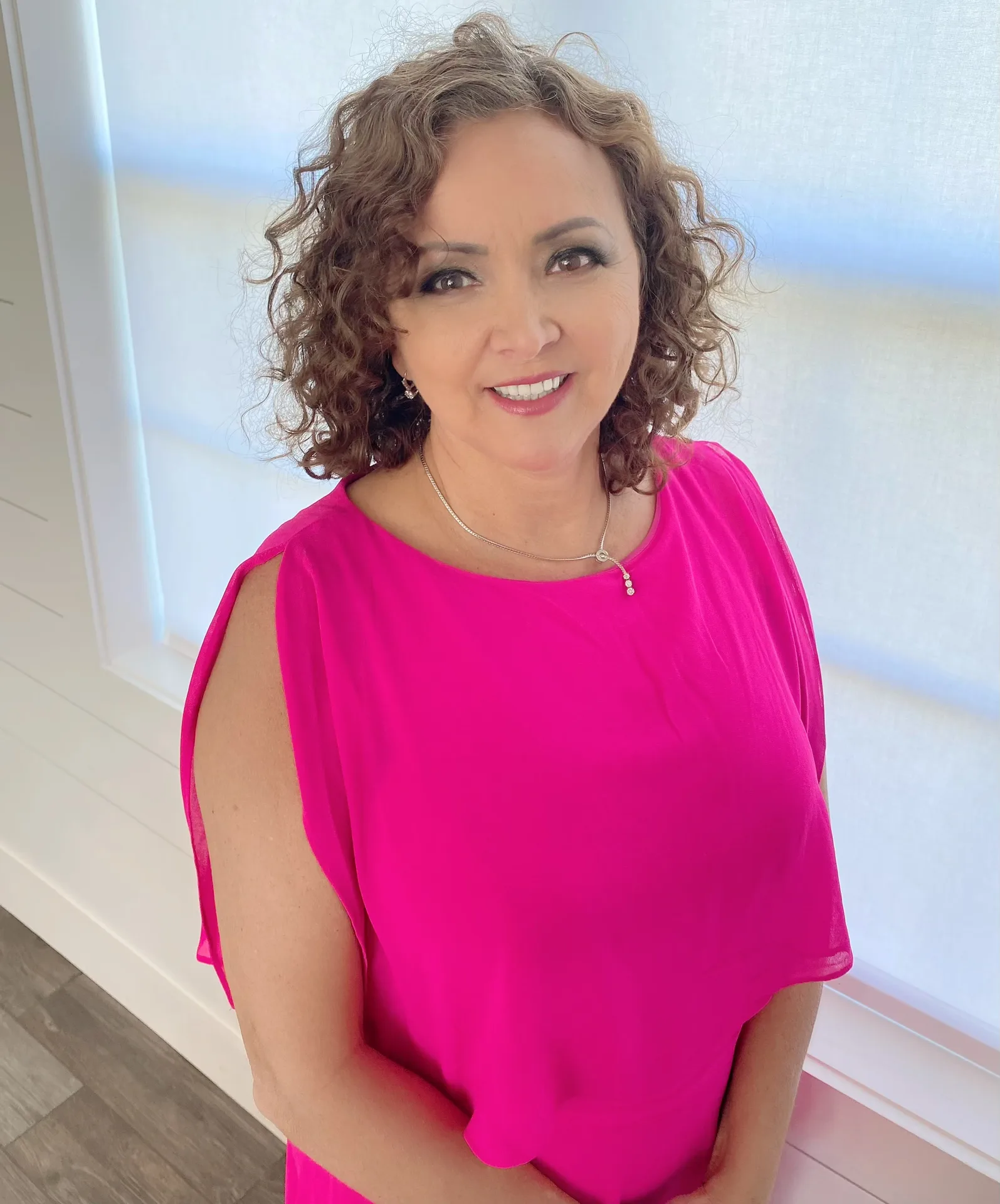
Lili Whittington, MBA is a Broker Associate with Soundings LLC in The Villages, FL, licensed as a Florida broker associate (BK3090328). With over 20 years of experience and 450+ homes sold, she holds the CLHMS, SRES, MRP, ABR, SFR, and CIPS designations and specializes in luxury homes, retirement relocation, and seller representation throughout Marion, Sumter, and Lake counties. She works with local, national, and international clients and is bilingual in English and Spanish, helping families coordinate the real estate side of moves that often arrive alongside major life transitions.
Planning your next chapter in The Villages?
Whether you are buying, selling, helping a parent relocate, or thinking ahead for your family, Lili can guide the real estate side of your plan with one clear strategy, in English or Spanish, and point you to the right local professionals for the legal documents.
Call or text Lili at: 352-715-3515 · Email: lilianewhittington@gmail.com
Book a Consultation With Lili